Spring Snowmelt and Flooding Risk in Breckenridge Vacation Homes
Summer arrives late at 9,600 feet. As the snowpack melts across Breckenridge, vacation homes face one of their highest water damage risks of the entire year — and most owners never see it coming.
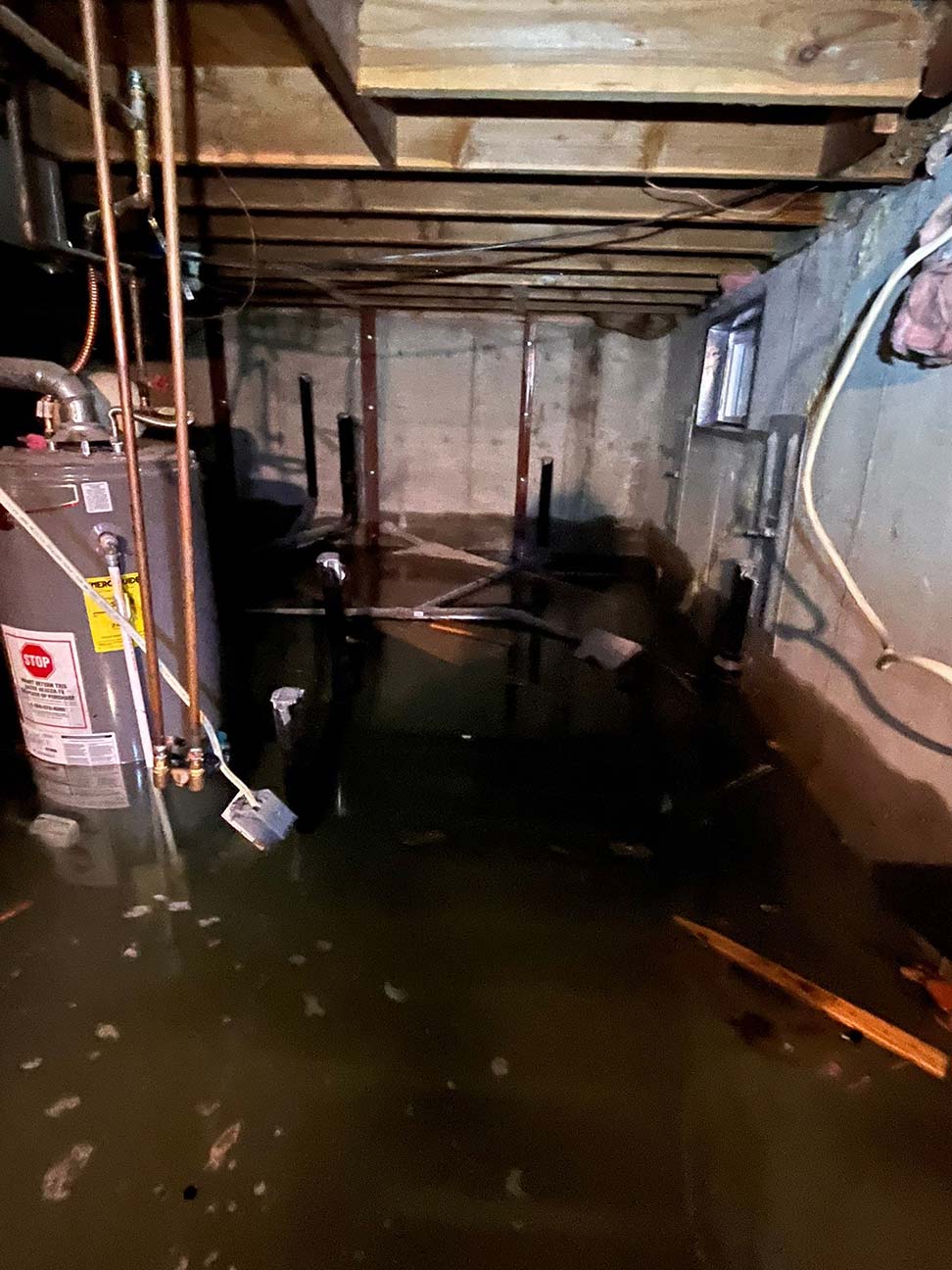
Why Spring is the Most Dangerous Season for Breckenridge Homes
Most Breckenridge vacation homeowners think of winter as the season of highest risk — frozen pipes, ice dams, heavy snowpack. And while winter certainly brings its share of emergencies, spring is when many of those hidden problems reveal themselves in the most damaging way possible.
At 9,600 feet, Breckenridge holds its snowpack well into May and sometimes June. When warmer temperatures finally arrive, that snow melts fast. The ground — still partially frozen beneath — cannot absorb the water quickly enough. It pools around foundations, finds its way through crawlspace vents, and seeps under doors and through basement walls. For properties that sat empty all winter, this damage can go completely undetected until it has already caused serious structural and mold problems.
The Snowmelt Water Damage Cycle in Breckenridge
Understanding how snowmelt damages Breckenridge properties helps you know exactly what to look for when you open your home for the summer season. The damage typically follows a predictable pattern:
Stage 1 — Ground Saturation
As snow melts, water saturates the soil around your home's foundation. In Breckenridge, where soil drainage is often limited by rocky mountain terrain and lingering frozen ground, this saturation can persist for weeks. Water under pressure against your foundation will find any crack, gap, or unsealed penetration and begin to enter.
Stage 2 — Crawlspace Intrusion
Crawlspaces are the most vulnerable area of a Breckenridge home during snowmelt season. Without a proper vapor barrier and sealed vents, ground moisture enters freely. Over weeks, this creates standing water or chronic dampness that saturates insulation, causes wood rot in floor joists, and creates ideal conditions for mold growth.
Stage 3 — Hidden Mold Development
Mold begins growing within 24 to 48 hours of moisture intrusion. In a vacation home that sits empty from March through June, mold has weeks or months to establish itself before anyone walks through the door. By the time you arrive for your summer visit, a small moisture intrusion from April can already be a significant mold remediation project.
"Some of the largest mold jobs we see all year happen in late spring and early summer — in Breckenridge vacation homes that sat empty while snowmelt quietly worked its way into crawlspaces and basements."
Warning Signs to Look for When You Open Your Home
If you are heading to your Breckenridge property for the first time this summer, take 15 minutes to walk through these checks before settling in. Catching a problem early is the difference between a drying job and a full remediation.
- Check the crawlspace for standing water, damp insulation, or a musty odor before anything else
- Look for water stains or tide lines on basement walls and floors — these indicate past flooding
- Inspect the base of all exterior walls and door frames for soft drywall or bubbling paint
- Check under all sinks and around water heaters and appliances for moisture or staining
- Open windows and check for condensation patterns that could indicate moisture trapped inside walls
- Look in closets and along exterior walls for any visible mold spots, especially at floor level
- Check your sump pump if you have one — confirm it is operational before the next rain event
A persistent musty or earthy odor when you first open your Breckenridge home is almost always a sign of active mold growth. Do not assume it will air out. Mold that has been growing for weeks will not resolve on its own. Call a professional for an assessment before spending time in the property.
The Crawlspace Problem Specific to Breckenridge
Breckenridge has an unusually high percentage of homes with unencapsulated crawlspaces — particularly older cabins and chalets built before modern moisture management standards were adopted. An unencapsulated crawlspace in a mountain environment is essentially an open invitation for snowmelt moisture.
The solution is crawlspace encapsulation — a full vapor barrier system that seals the crawlspace floor and walls, preventing ground moisture from entering. For Breckenridge vacation homes, this is one of the single highest-value investments you can make. It protects your floor structure, prevents mold, improves indoor air quality, and reduces energy costs year-round.
What to Do If You Find Water Damage
If you discover water intrusion, standing water, or mold during your summer opening inspection, the most important thing you can do is call a professional immediately. Do not attempt to dry out a crawlspace with consumer fans or a shop vac — you will move moisture into unaffected areas and likely make the problem worse.
On-Site Restoration responds within 60 minutes to any Breckenridge property. We assess the full scope of damage, begin professional extraction and drying immediately, and handle your insurance claim from start to finish. The sooner we arrive, the more we can save — and the lower your total restoration cost.
Breckenridge Services
Prevention Tips Before You Leave for the Season
The best time to prevent spring snowmelt damage is before you leave your Breckenridge property at the end of the season. Here are the most effective steps you can take:
- Have your crawlspace inspected and encapsulated if it does not already have a full vapor barrier system
- Clear all gutters and downspouts so snowmelt drains away from your foundation
- Extend downspouts at least 6 feet from the foundation — further if your grading allows
- Install a smart water detection device with remote alerts so you know immediately if moisture enters
- Have your sump pump tested and serviced before winter — it needs to be ready for spring
- Seal any visible foundation cracks with hydraulic cement before the ground freezes
- Schedule a professional property check-in for mid-May to catch any snowmelt issues early
Found Water Damage in Your Breckenridge Home?
On-Site Restoration responds within 60 minutes, 24/7. We handle everything from emergency water extraction to full mold remediation and insurance coordination.